
A historical milestone, not the current total
Capcom’s May 7 announcement says PRAGMATA exceeded two million units in its first 16 days. Its main launch was April 17, 2026, with an exception: Switch 2 in Japan and parts of Asia followed April 24.
The two-million figure describes that early period. It should not be presented as a live sales counter months later.
Management said more than “wait and see”
Capcom’s May results archive repeats the milestone and says the company is considering developing PRAGMATA into a series. It also describes development costs as comparatively below its major franchises, without publishing an exact budget.
Considering a series is not announcing a sequel. But treating the future as entirely undiscussed would also miss what management said. The useful distinction is between an expressed strategic interest and a committed product with a team, date or specification.
Relative cost adds context without producing a profit calculation. We do not know enough from that comparison to derive a margin or break-even point.
An unfamiliar combat idea needed explanation
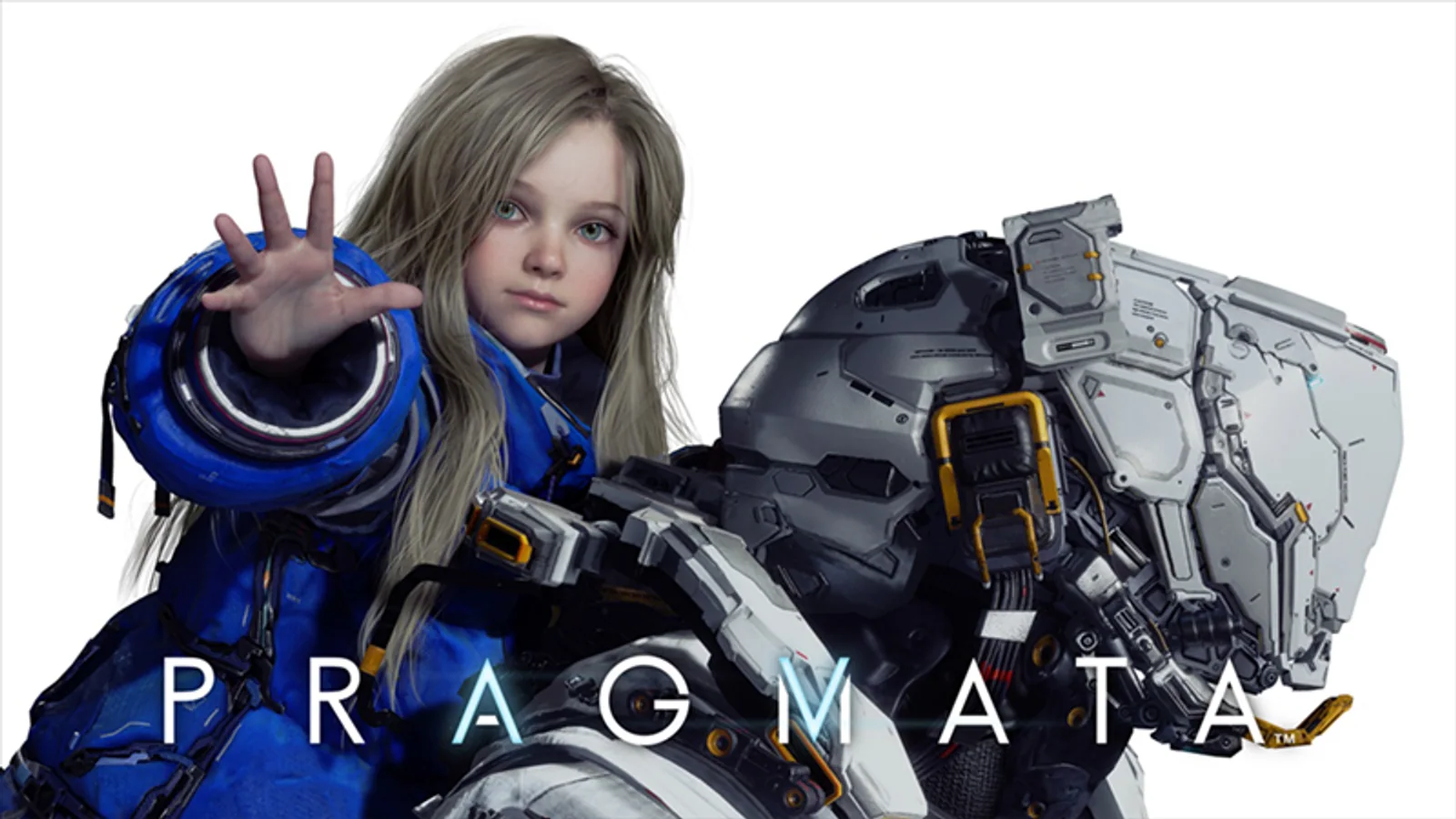
PRAGMATA pairs Hugh’s shooting with Diana’s hacking in a science-fiction setting. The prelaunch demo gave prospective players a way to encounter that combination rather than infer it from a description.
It is reasonable to see the demo as an opportunity to explain the game. It is not evidence that it caused the sales milestone or that every buyer understood and preferred the combat. Establishing those motivations would require data the cited records do not provide.
For a new property, the reported early audience gives Capcom a basis for considering further investment. That is a more grounded conclusion than either assuming a sequel is inevitable or ignoring the company’s stated interest.
The sources are corporate records, not an independent sales audit or GG Bulletin playtest. They establish the historical milestone, a regional timing exception and management’s qualified position on what might follow.